Main Reasons Thermal Treatment Is Crucial for Effective Bed Bug Elimination
Heat treatment has become a vital technique in the battle against bed bugs. This technique efficiently eliminates every developmental stage of these insects, guaranteeing complete elimination. As opposed to chemical methods, heat penetrates various surfaces, reaching areas often overlooked. Additionally, it offers environmental and health benefits. Recognizing the differences of heat treatment versus other techniques can clarify its increasing widespread use. What are the specific advantages that make this method stand out?
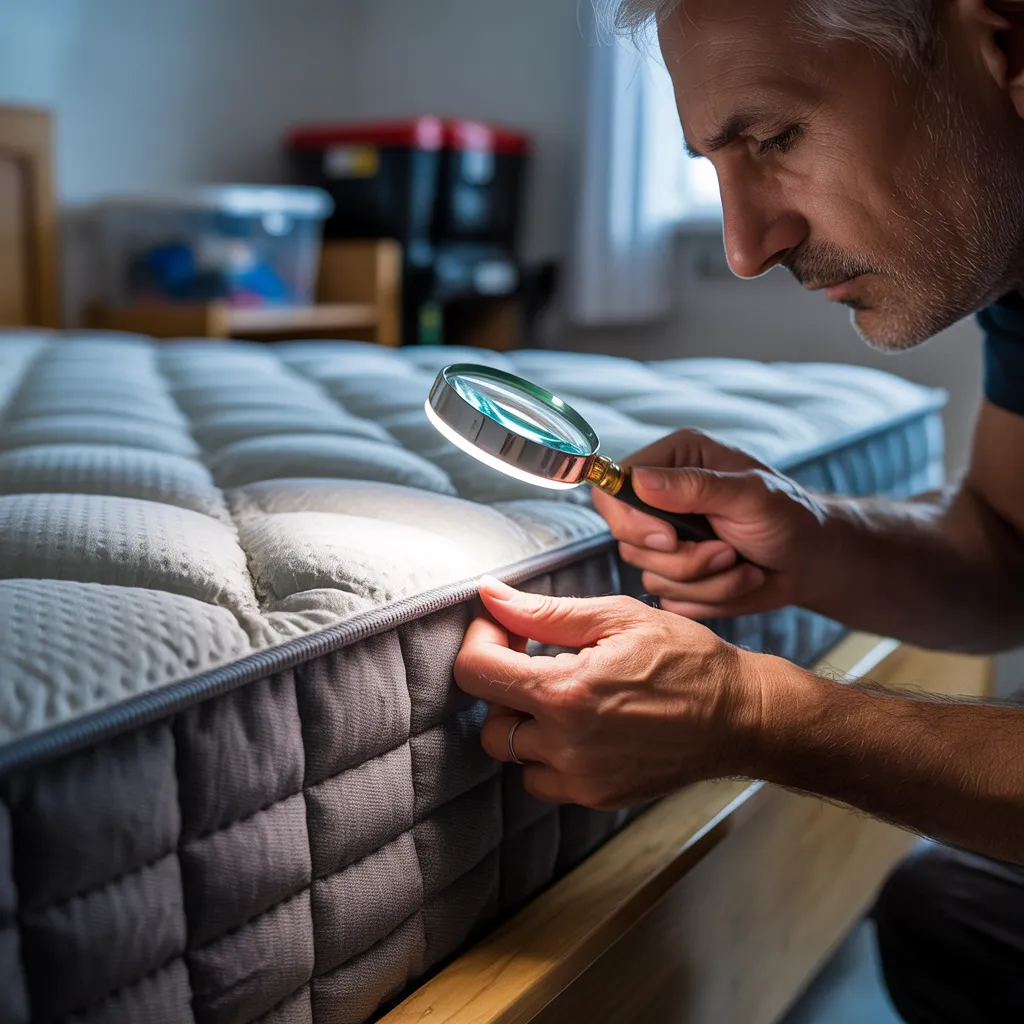
How Heat Treatment Effectively Eliminates Bed Bugs
Heat treatment emerges as a highly effective solution for eliminating bed bugs, harnessing high temperatures to address these persistent pests. This treatment involves elevating the ambient temperature of affected spaces to degrees that are deadly to bed bugs and their eggs. Typically, temperatures of around 120°F (49°C) are adequate to eliminate bed bugs in a matter of minutes.
As opposed to standard chemical pesticides, that often leave harmful residues and demand multiple treatments, heat-based treatment permeates every surface, ensuring thorough coverage. It successfully targets concealed spaces like cracks, tight spaces, and upholstered furniture, where bed bugs commonly take refuge.
In addition, heat treatment is an environmentally conscious option, as it does away with the need for harmful chemicals that could pose health risks to humans and pets. By rapidly increasing the temperature and maintaining it for a set period of time, heat treatment not only destroys existing infestations but also aids in preventing future outbreaks, making it a vital method in bed bug control.
Bed Bug Life Cycles Explained: What You Need to Know
Understanding the life cycle of bed bugs is crucial for successful control strategies. This involves recognizing their various life cycles, reproduction rates, and how environmental conditions influence their patterns. Knowledge of these aspects can significantly aid in managing infestations.
Bed Bug Developmental Stages
The bed bug developmental cycle consists of multiple distinct phases that are essential for efficient pest elimination. This cycle begins with the egg stage, where a female bed bug lays up to five eggs each day, each about 1 millimeter in size. Following approximately one week, the eggs develop into nymphs, which pass through five distinct molting stages before becoming adults. A blood meal is necessary for each nymph to molt properly. Fully grown bed bugs are generally brown in color and may survive for several months without eating. Recognizing these developmental stages is essential for pest management, as different stages may require specific treatment strategies. Successful control relies on addressing every stage, especially the eggs and young nymphs, so as to interrupt the cycle and eliminate the risk of future infestations.
Reproduction and Infestation Rates
While bed bugs are capable of remaining dormant for long full details periods of time, their reproductive capacity can lead to swift infestations. A single female bed bug can produce up to five eggs per day, accumulating vast quantities in her lifetime. These eggs take approximately seven to ten days in favorable conditions, allowing new nymphs to start feeding shortly after. This rapid life cycle means a small initial population can quickly escalate into a full-blown infestation. Moreover, bed bugs multiply across all seasons, making them a constant threat in any environment. Their hardiness and elevated breeding rates complicate control efforts, underscoring the need for effective treatment methods, such as heat treatment, to interrupt their breeding cycle and stop additional spreading.
Influence of Environmental Factors
Environmental conditions significantly impact the life cycles of bed bugs, affecting their growth, breeding patterns, and survival. Temperature is a critical factor; warm environments promote faster growth, while lower temperatures may suppress development and breeding. Moisture levels similarly affect bed bug behavior; higher humidity enhances survival and reproduction, as moisture is essential for their optimal well-being. Moreover, the availability of food, particularly human blood, is essential for sustaining their lifecycle. In settings where nourishment is hard to find, bed bugs might go into a state of dormancy, prolonging their lifecycle until conditions improve. Understanding these environmental influences is essential for effective bed bug control strategies, especially when applying heat treatments designed to disturb their life cycles through the creation of unfavorable conditions.
Heat Treatment vs. Chemical Methods: What Is the Best Option?
Regarding exterminating bed bugs, which approach is more efficient: heat therapy or chemical treatments? Thermal treatment consists of raising the temperature of infested areas to lethal levels, successfully eradicating bed bugs at every stage of their life cycle, including their eggs. This solution presents a comprehensive method, guaranteeing the full infestation is resolved in a single treatment.
On the other hand, chemical treatments often target certain developmental stages and could necessitate repeated treatments. Moreover, bed bugs may build up resistance to specific chemical agents, complicating treatment efforts. While chemicals may be effective in certain situations, they commonly demand continuous oversight and repeated application.
Ultimately, heat treatment is favored for its ability to produce immediate results without the danger of chemical resistance. It presents an thorough solution, decreasing the chance of a recurrence. In a large number of cases, the use of heat treatment is not only highly efficient but also a highly dependable method for sustained bed bug control.
The Green Benefits of Heat Treatment
Heat treatment not only acts as a powerful solution for bed bug extermination but also delivers considerable environmental advantages. Unlike chemical solutions, which often introduce harmful pesticides into the ecosystem, heat treatment relies solely on elevated temperatures to eliminate pests. This technique greatly diminishes the need for toxic substances, lowering the danger of chemical exposure to humans, pets, and wildlife.
Furthermore, heat treatment serves as a single application that can eradicate bed bugs across all developmental stages, decreasing the necessity for numerous applications that could lead to environmental pollution. By eliminating pests from furniture, carpets, and various household belongings, it also encourages a more sustainable approach to pest control. Additionally, as thermal treatment leaves no chemical remnants, it promotes a purer indoor setting, contributing to improved air quality. In summary, thermal treatment represents a sustainable solution for pest control, aligning with broader environmental sustainability goals.
How Heat Treatment Keeps Your Family and Pets Safe
Choosing heat treatment for bed bug control not only addresses pest issues successfully but also prioritizes the safety of families and pets. This technique employs high temperatures to exterminate bed bugs at all life stages without the need for dangerous chemical agents. Unlike conventional chemical treatments, which can create harmful residues and health hazards, heat treatment offers a chemical-free solution, ensuring that living environments remain safe for children and animals.
Moreover, heat treatment is thorough, penetrating furniture, bedding, and other hiding spots where bed bugs live. This comprehensive approach reduces the likelihood of reinfestation, thereby maintaining a more hygienic home environment. Families can take comfort knowing that their pets are not in contact with toxic substances, and they can come back to their living spaces swiftly, often within hours of treatment. Ultimately, heat treatment offers a secure, efficient, and green solution for bed bug eradication.
Understanding What to Expect During Heat Treatment
During heat treatment for bed bug control, homeowners can expect a systematic approach that involves careful preparation and monitoring. Technicians typically begin by evaluating the infested areas, identifying hotspots where bed bugs are likely to reside. This preliminary evaluation enables precise treatment, ensuring that every critical zone is exposed to sufficient heat.
When treatment starts, specialized equipment raises the temperature in the treated area to a lethal level for bed bugs. Occupants may observe increased heat levels and could be instructed to leave the property for multiple hours to ensure safety and effectiveness. Constant oversight is critical, with technicians using thermal sensors to verify that temperatures stay within the optimal range.
Following the treatment, a follow-up visit is typically arranged to evaluate the results of the heat treatment and ensure that the bed bug infestation has been completely resolved. This organized method enhances the likelihood of achieving thorough bed bug control.
Strategies for Avoiding Future Bed Bug Infestations
Although bed bug infestations can be difficult to eliminate, adopting preventive strategies can significantly lower the chances of future infestations. A practical approach includes routinely checking sleeping areas, like bed frames, mattresses, and furniture, for indications of bed bug activity. Keeping clutter to a minimum can also eliminate potential hiding spots, thereby making it simpler to spot an infestation.
Guests are advised to check hotel rooms for signs of bed bugs before settling in, as these pests often hitch rides in suitcases. Filling in fissures and gaps in furniture and walls can help prevent bed bugs from infiltrating personal quarters. Additionally, utilizing mattress covers and encasements can create a shield against pest infestations.
Routine vacuuming and laundering bedding in hot water can eliminate any potential eggs or bugs. Additionally, fostering awareness and informing household residents on recognizing bed bug signs can enable people to respond quickly in case of a resurgence.
Commonly Asked Questions
How Long Does Heat Treatment Typically Take to Complete?
The heat treatment process typically takes six to eight hours in total, according to the extent of the infestation and the square footage of the affected space. Careful monitoring ensures that temperatures achieve the levels necessary to eliminate bed bugs.
Am I Able to Stay in My House During Heat Treatment?
Throughout the heat treatment process, it is commonly suggested to evacuate the premises for safety and effectiveness. Elevated temperatures pose potential hazards, and vacating ensures the treatment proceeds without interruption, greatly improving the likelihood of complete bed bug elimination.
Is Heat Treatment Effective for All Bed Bug Infestations?
Heat treatment proves highly effective for the majority of bed bug infestations, eliminating bed bugs at every stage of development. However, its success can vary based on factors like infestation size, treatment duration, and proper preparation of the affected environment.
What Should I Do With My Belongings Before Treatment?
Before treatment, homeowners should bag all clothing and linens, vacuum furniture thoroughly, and remove items from the infested area. Any belongings that can withstand heat should go through a dryer cycle for extra protection.
How Frequently Should I Plan Heat Treatments for Prevention?
Planning heat treatments every six to twelve months is recommended for preventive purposes. Routine evaluations of potential infestations, combined with timely treatments, help maintain a infestation-free environment and reduce the risk of bed bug returning infestations.